


We welcome revelant and respectful comments. Off-topic comments and spam will be removed.
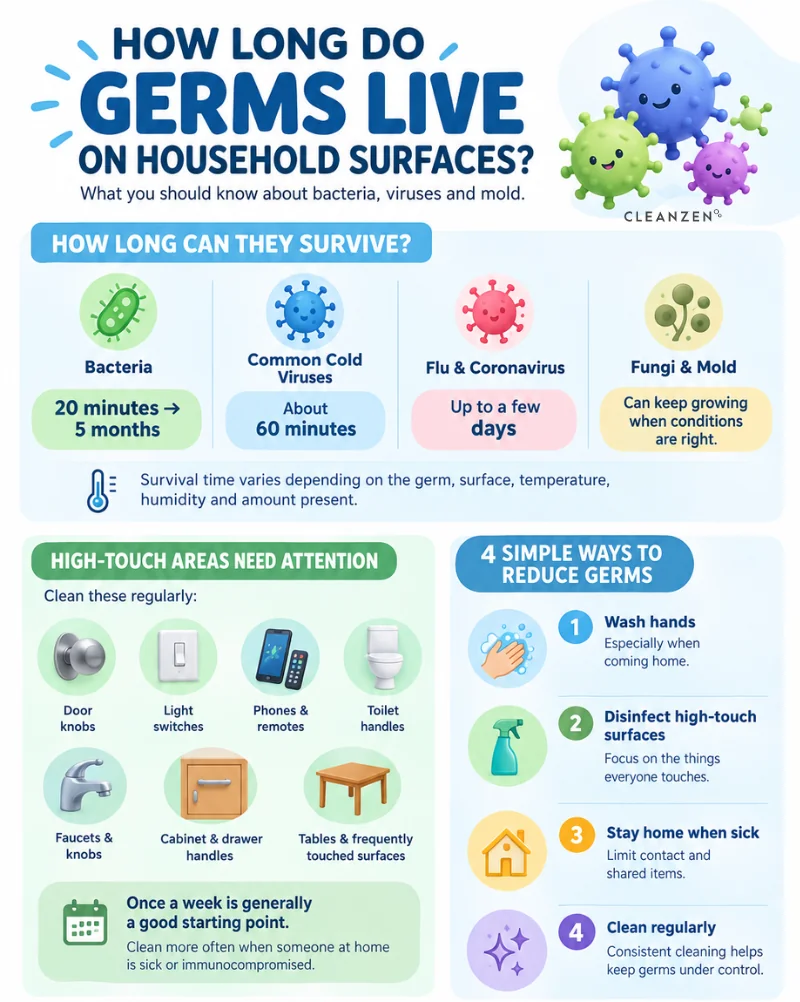
When you think about germs, things like COVID-19 or the seasonal flu may immediately come to mind. There’s no doubt about it, some germs can cause you and your loved ones to get seriously ill. Germs, such as bacteria, viruses, fungi, and mold, can live on just about every surface in your home, and they can grow and thrive for longer than you might think. So, how long do germs live on household surfaces?
Contents
show
How Long Can Germs Live on Household Surfaces?
Germs are living things, and they can find a home in the air, on wet surfaces, in water, in soil, and even on the different hard surfaces in your home. They can even grow other living things, like people, pets, and plants. While they aren’t all harmful, many can cause everything from skin irritation to severe respiratory distress, stomach issues, and more.
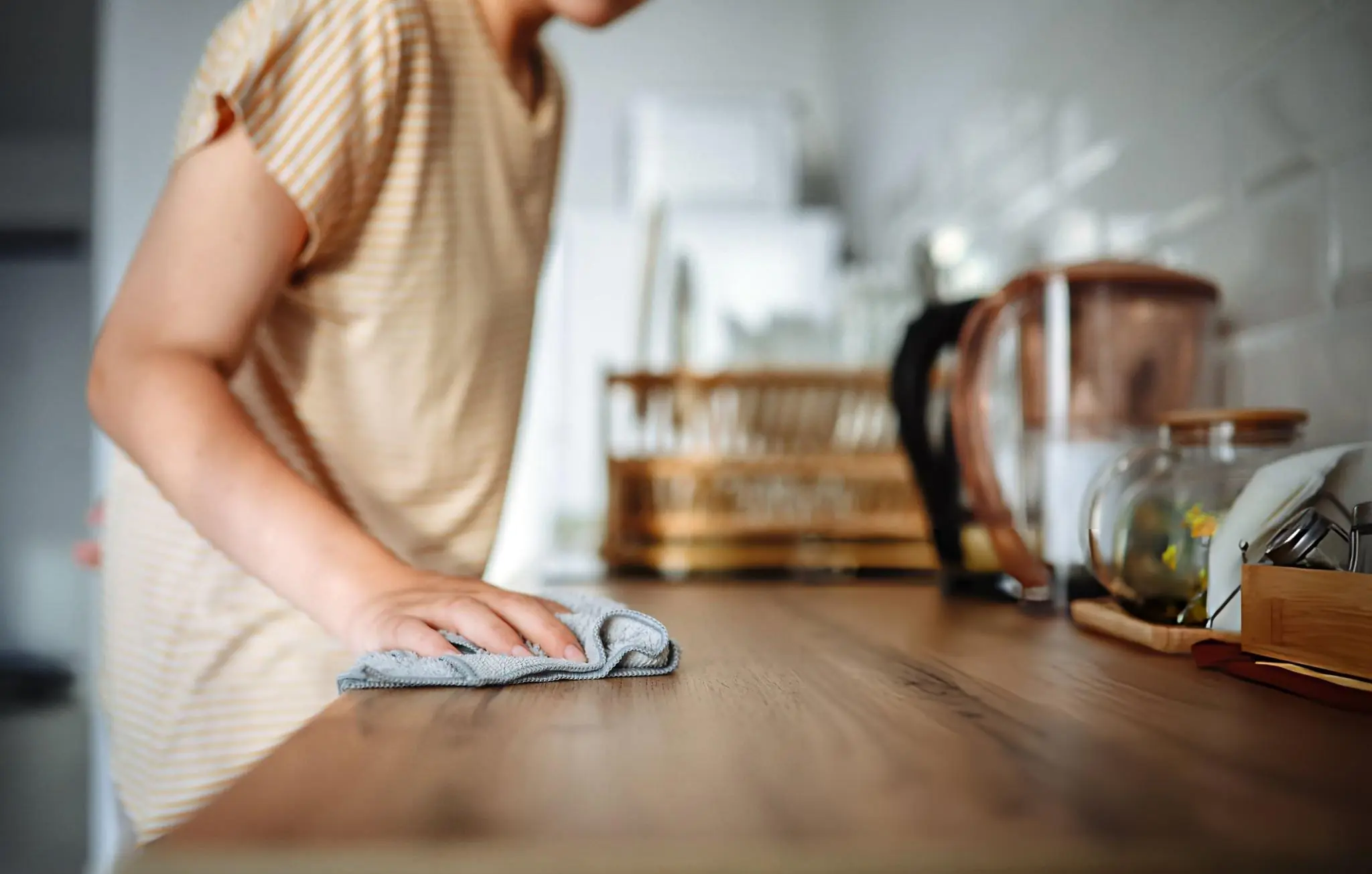
The specific length of time that germs live depend on the type of germs, how much of the germ is present, whether you’re dealing with a hard or soft surface, and even the temperature and humidity level. Here’s how long different types of germs can live on the surfaces in your home.
Bacteria
These are one-celled living creatures that are responsible for everything from tooth cavities to urinary tract infections and more. Some bacteria, like salmonella and E. coli, live on porous surfaces for about 20 minutes.
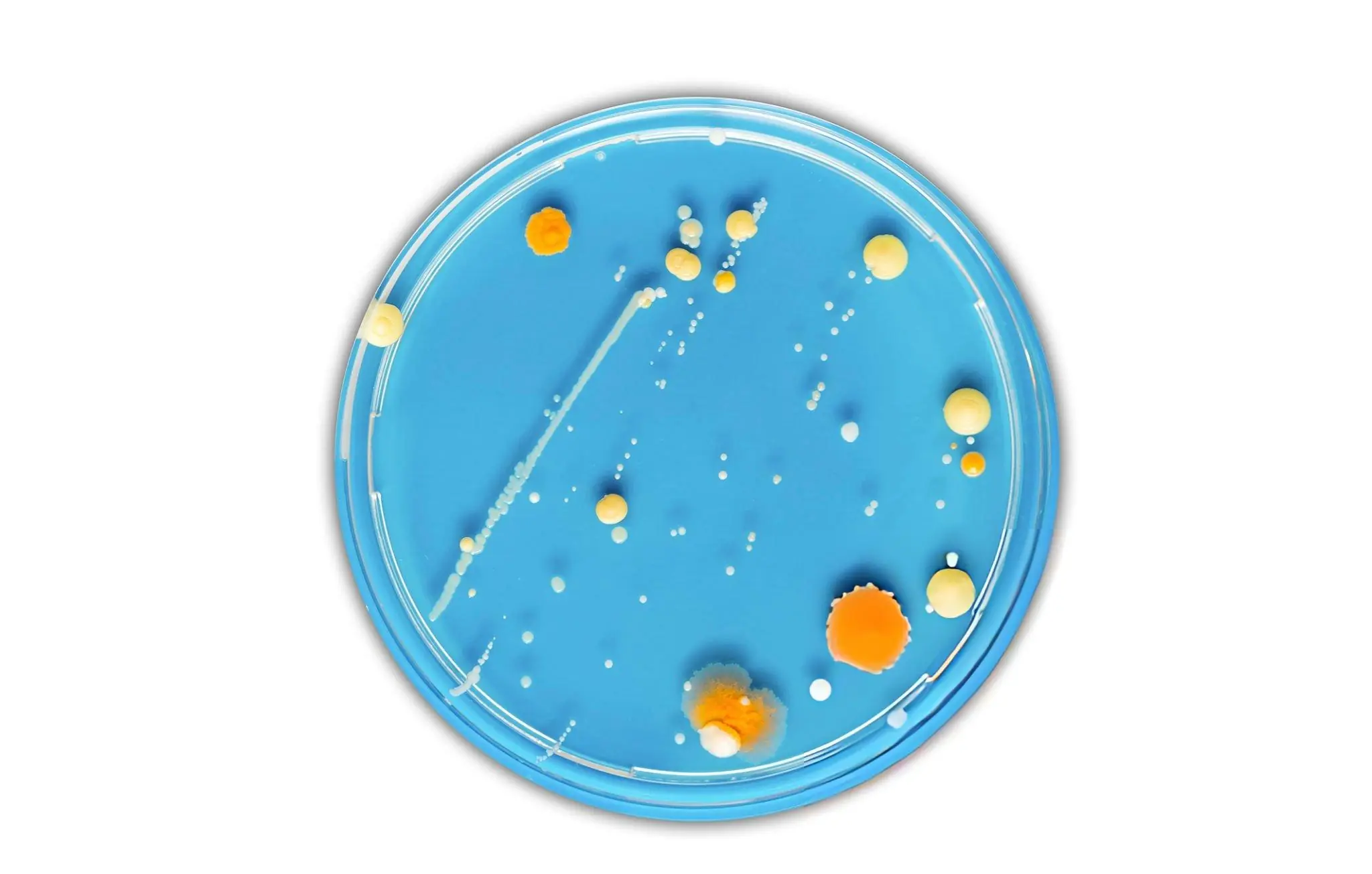
However, if they’re on a hard surface, like your kitchen counter, they can live and cause illness for up to four hours. Other bacteria, like C. diff, live for up to five months on counters and other hard surfaces.
Viruses
Viruses aren’t actually full cells. Instead, they are made out of a protein capsule that carries genetic materials. Once viruses find a host, they reproduce rapidly. Some of the viral illnesses and diseases that you might be familiar with are the common cold, HIV, measles, and more.
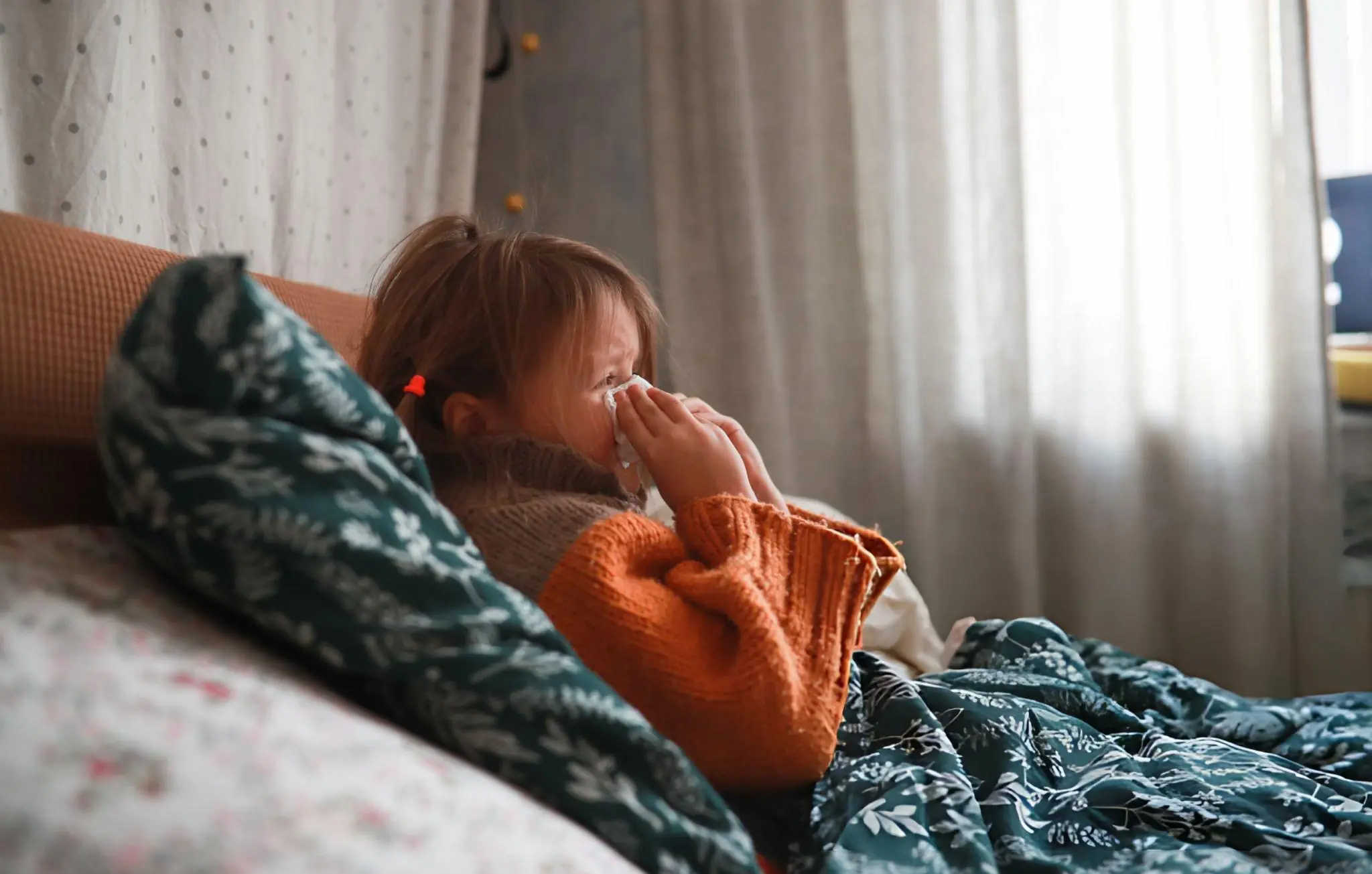
The viruses that cause the common cold only live for about 60 minutes when they’re away from their host. The flu and coronavirus, on the other hand, can live for a few days.
Fungi and Mold
These are multi-celled living beings that need a warm, damp, and nutrient-rich environment to thrive. They are known to cause athlete’s foot and yeast infections, among other things.
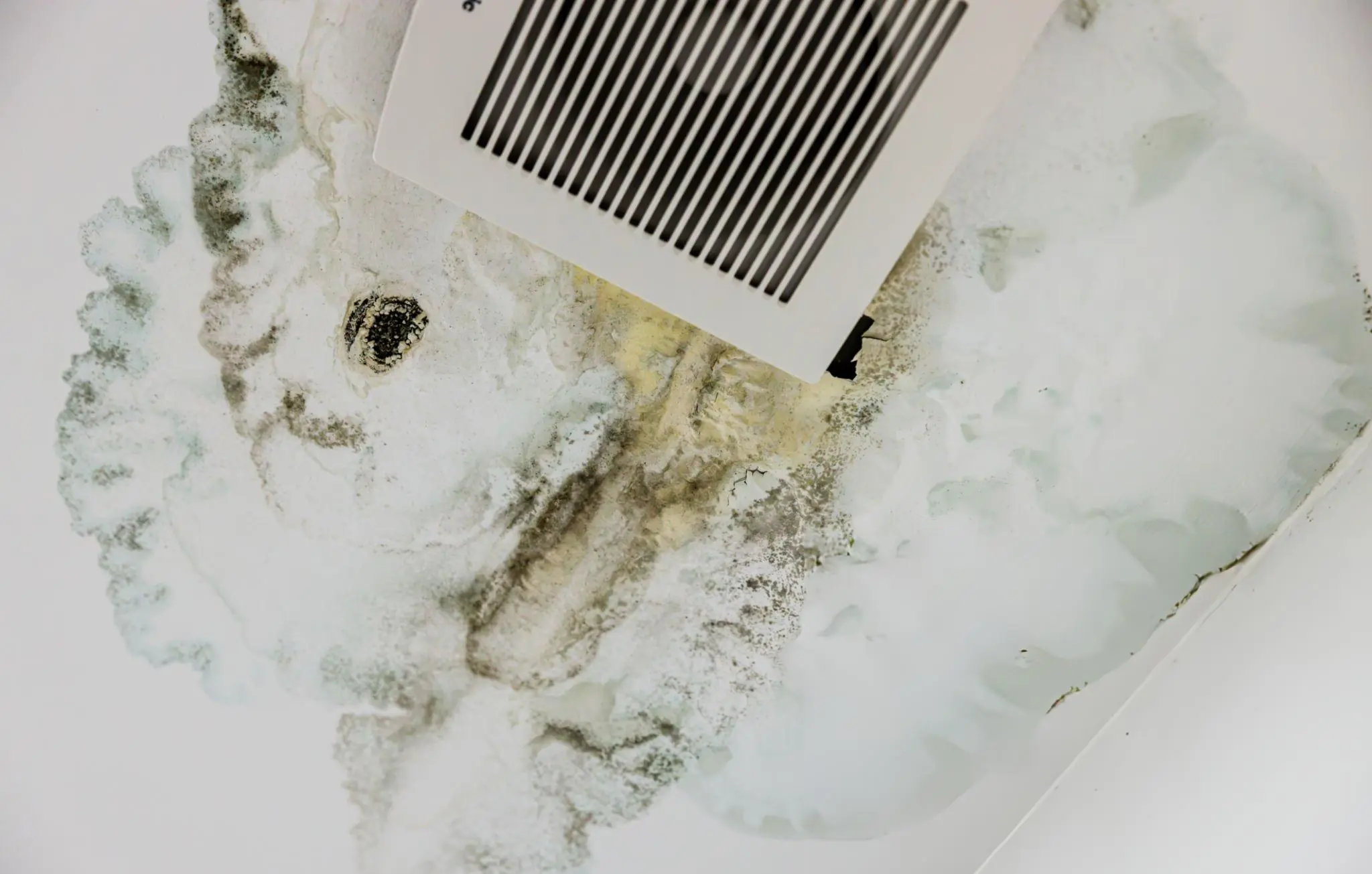
Fungi and mold tend to grow and spread as long as the conditions are ideal.
How to Reduce Germs on Household Surfaces
The best way to reduce germs on household surfaces is to prevent them from landing on those surfaces. For example, you can adopt a rule to wash hands as soon as someone enters your home. You can also keep exposed items, such as backpacks, gloves, jackets, and other items, in the front entryway of your home.
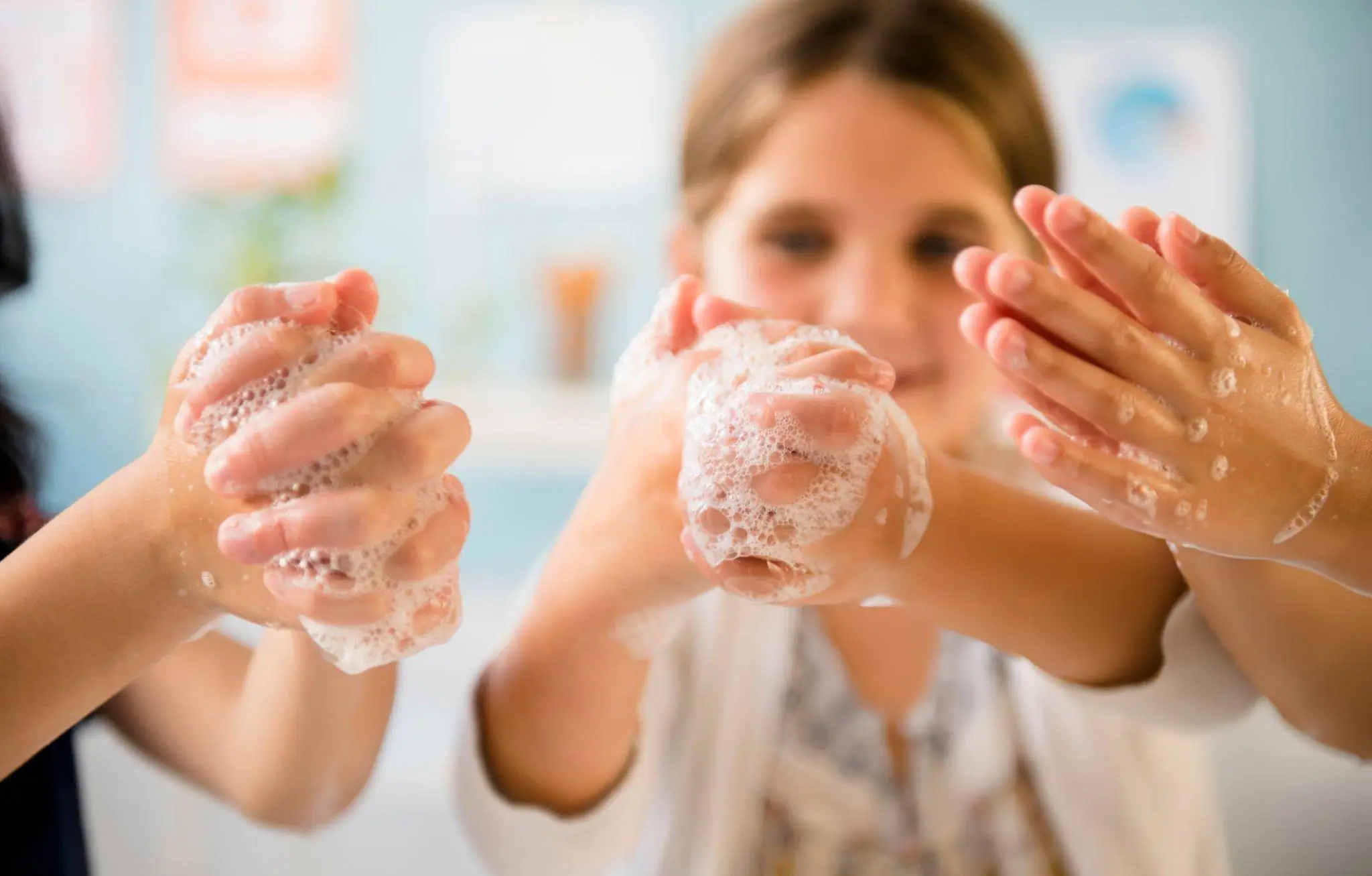
When you’re out and about, avoid coming in contact with sick people as much as possible. Always cover your sneezes and coughs. If someone in your home is sick, isolate them as much as possible in their bedroom. Take care to disinfect your hands when leaving the room as well as any items that you take out of the room.
How Often Should You Clean High-Touch Surfaces?
Typically, high-touch surfaces can be cleaned once a week with great results. These areas include toilet handles and lids, sink faucets and knobs, light switches, remote controls, phones, tables, drawer and cabinet knobs, door knobs, and other similar areas.

While once-a-week cleaning is sufficient in most cases, there are times when it makes sense to clean more frequently. For example, if someone is your home is sick or is immunocompromised, more frequent cleaning is needed.
Does Regular House Cleaning Help Reduce Germs?
Regular house cleaning can reduce germs, but only if you use the right combination of methods and products. Many store-bought cleaners don’t contain anti-bacterial or anti-fungal ingredients. When choosing products for your home, look for cleansers that contain bleach or that are specifically marketed as killing a high percentage of germs. Sanitizing wipes are a great alternative to spray products.
Keep in mind that you don’t have to clean with harsh chemicals to kill germs. Safer options like white vinegar, rubbing alcohol, and hydrogen peroxide are also effective at killing most germs.
It’s impossible to eliminate all germs from your house, but you don’t want germs to get out of hand. While there are many things you can do to reduce germs in your home, such as frequently washing your hands, regular and thorough cleaning is among the most important steps.
When keeping your home clean becomes a burden, remember that you aren’t alone. With Cleanzen cleaning services in Boston, you can get all of the help you need with our customizable services. Get in touch with us online or call us today to get complete details about the difference we can make in your home.
0 comments